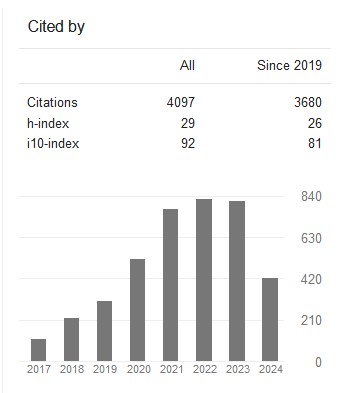
Google Scholar Analysis
For Authors








ijaems Issue
Understanding the behavioral Intention to Use Mobile Commerce Among Generation Z: A Theory of Planned behavior Approach( Vol-12,Issue-3,May - June 2026 ) |
|
Author(s): Dr. Renato L. Virola, Dr. Nestor C. Natividad, Prof. Florabell B. Aragon |
Download Full Text PDF
Total View : 258
Downloads : 3
Page No: 017-027
|
Keywords: |
|
|
mobile commerce, Generation Z, behavioral intention, Theory of Planned Behavior, social influence, usage motivation, Philippines |
|
Abstract: |
|
|
This study investigates the behavioral intention of Generation Z consumers in Nueva Ecija, Philippines, to use mobile commerce (m-commerce) platforms, guided by the Theory of Planned Behavior (TPB). With the growing prominence of m-commerce among digital natives, understanding the drivers of their engagement is essential for businesses and policymakers. Anchored on the model of Meghisan-Toma et al. (2021), this study examines the influence of attitude toward using mobile commerce (ATUMC), social influence (SI), and perceived behavioral control (PBC) on behavioral intention to use m-commerce (BIUM). A total of 183 purposively selected respondents aged 18–25 participated in the study. Data were gathered using a structured survey adapted from validated instruments and analyzed using Jamovi statistical software. Descriptive statistics revealed that Gen Z respondents generally "Agreed" with all m-commerce constructs, with females and frequent online shoppers expressing higher levels of agreement. Lazada users demonstrated stronger attitudes and motivations compared to users of other platforms. ANOVA results showed no significant differences in behavioral intention across gender and platform use. However, shopping frequency was significantly associated with attitude and usage motivation, indicating that frequent exposure to m-commerce builds stronger engagement. Correlation analysis indicated strong, positive, and statistically significant relationships among all four TPB constructs. Attitude, social influence, and perceived behavioral control were all significantly correlated with behavioral intention. Regression analysis confirmed these findings, with the three predictors jointly explaining 65.7% of the variance in behavioral intention. Among them, social influence emerged as the strongest predictor, followed by perceived behavioral control and attitude. Findings validate the TPB framework and highlight the importance of social and motivational factors in promoting m-commerce among digital natives. It is recommended that m-commerce providers enhance user experience by leveraging peer influence strategies, improving usability features, and cultivating user confidence. Local businesses and institutions should also support digital literacy and m-commerce awareness to promote informed and habitual engagement among the youth. |
|
| Article Info: | |
|
Received: 31 Mar 2026; Received in revised form: 30 Apr 2026; Accepted: 02 May 2026; Available online: 06 May 2026 |
|
Cite This Article: |
|
|
Citations:
APA | ACM | Chicago | Harvard | IEEE | MLA | Vancouver | Bibtex
| |
Share: |
|
 DOI:
DOI: